
The Central Government of India presented the Web Game Promotion and Regulation Bill 2025 in the People ‘ s Court on Wednesday. The bill aims to promote innovation and protect citizens ‘ rights and interests and aims to promote electronic competition and online social games, while prohibiting online gold games that may pose financial, psychological and social risks.
Under a bill proposed by the Government of India, the online lottery industry worth billions of dollars is to be completely shut down. The Act will prohibit gaming websites and applications from providing games where “users participate by paying fees or depositing funds with a view to obtaining financial gain”.

The proponents noted the addiction, debt crisis and mental health risks of online gambling, particularly for youth and poor groups. They argue that the “unbridled expansion” of the industry could lead to “financial fraud, money-laundering … and even the financing of terrorism” and invoke article 47 of the Constitution to emphasize the Government’s obligation “to intervene when a digital ecology threatens public health, order and social well-being”.
This will have an impact on the Indian lottery industry, valued at Rs. 31,336 million (approximately $3.6 billion), including sports lottery applications Dream11, MPL, MyTeam11 and others, with millions of users. According to Reuters, a minimum of Rs. 8 for Dream11 users can form a virtual cricket team, with a total award pool of Rs. 1.2 million, and a surge in the number of investments during the Indian Super League from mid-March to the end of May each year.

The Act makes it clear that online gambling “often uses addiction algorithms and manipulative design … to facilitate coercion leading to financial collapse”. If the bill is passed, any person or entity who “provides, aids, abets or participates” in a genuine online gambling will face a fine or imprisonment for up to three years:
The provision or facilitation of online gold games is punishable by up to three years ‘ imprisonment and a fine of Rs. 10 million. The gold game ads are up to 2 years ‘ imprisonment and a fine of Rs. 5 million; all financial transactions related to the gold game are subject to up to 3 years ‘ imprisonment or a fine of Rs. 10 million. In addition, the penalty for repeated violations would be increased, including imprisonment for three to five years and a fine of up to 20 million rupees.

In order to regulate online lottery, the Bill proposes that the central Government of India needs to establish a national authority or designate any existing authority or agency for oversight. The functions include: regulating the classification and registration of online games; determining their eligibility for genuine gold games; handling complaints and complaints related to online games; and the right to issue guidelines, orders and codes of conduct to ensure compliance.
Industry organizations strongly opposed the bill, and the All India Games Federation and the Dream Sports Federation of India jointly protested that the ban would “failure” industries that created thousands of jobs and attracted foreign investment and would only force players to turn to unregulated platforms abroad, “not to protect people, but to expose them to fraud and dangerous operations”.

While combating the “gold game”, the Act clearly defines electronic competition as “a skills competition based on rules and recognition in a virtual environment”. The Government has planned formal sports projects under the authority of the Ministry of Youth Affairs and Sport since 2022, and has helped to establish the Indian Electronic Race Union. The new bill will also establish the National Electricity Competition Authority, which will promote competitive games, regulate leisure social games and develop fair competition and security norms.
Indian officials expressed the Government ‘ s support for the competition, which would attract foreign investment, create jobs and promote international competition in India. According to The Times, the Indian Cabinet has passed the Online Game Promotion and Regulation Act 2025, which will be submitted to Parliament for subsequent consideration.
The Act recognizes electronic competition as a legitimate form of competitive sport and requires the Ministry of Sports to issue guidelines and standards for the conduct of electronic competitions. To support the electric competition industry, training schools, research centres and technical platforms were established to promote the development of electronic competition. Develop incentive plans, awareness campaigns and the integration of electronic competition into broader sports policy initiatives.
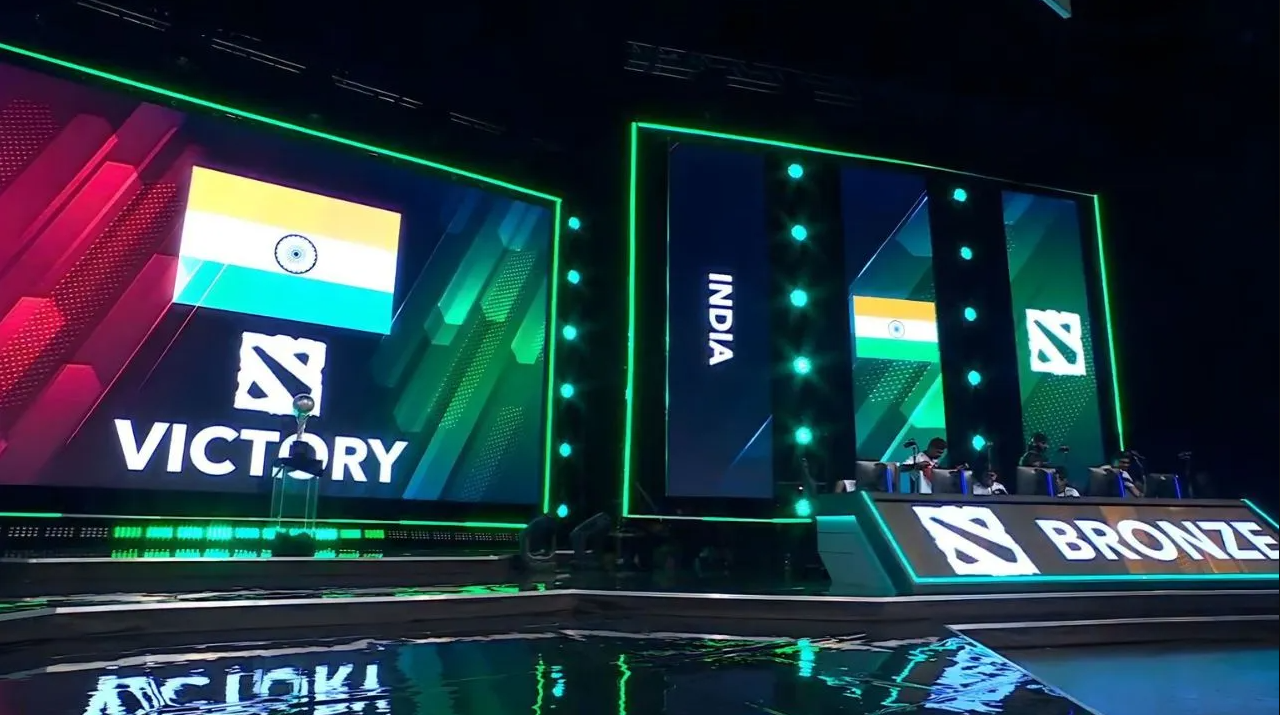
The Government of India stated that the bill had set a balanced path by encouraging innovation and youth participation through safe and active online games, while strongly prohibiting harmful online gold games.
In sum, the Act aims at balancing the innovation and growth of online games with measures to prevent their harmful effects, encouraging useful forms of digital games while protecting society from exploitative money games.