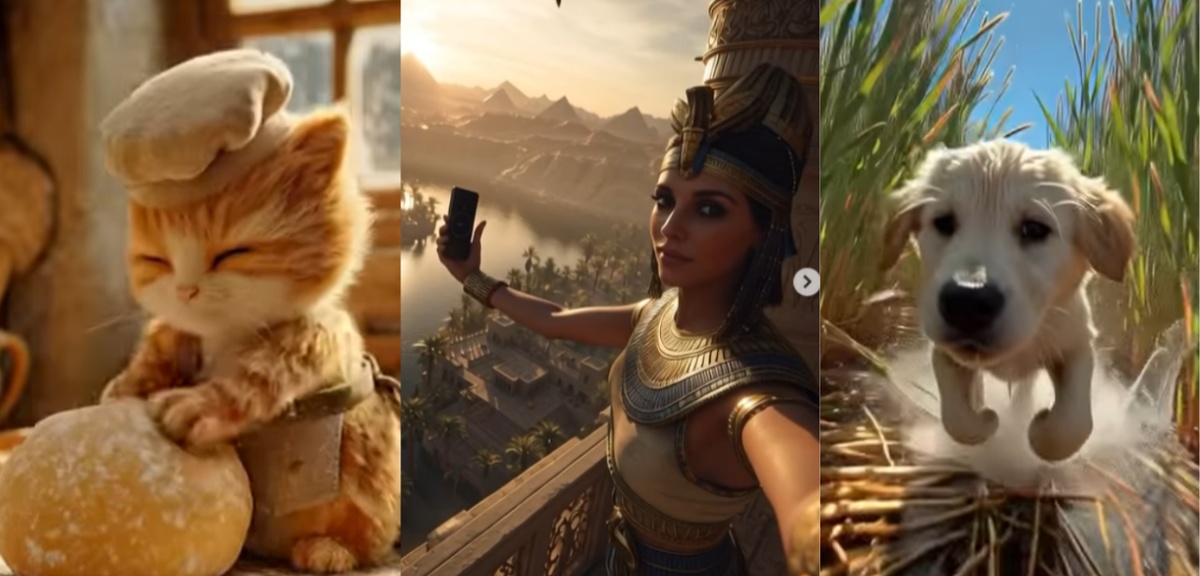
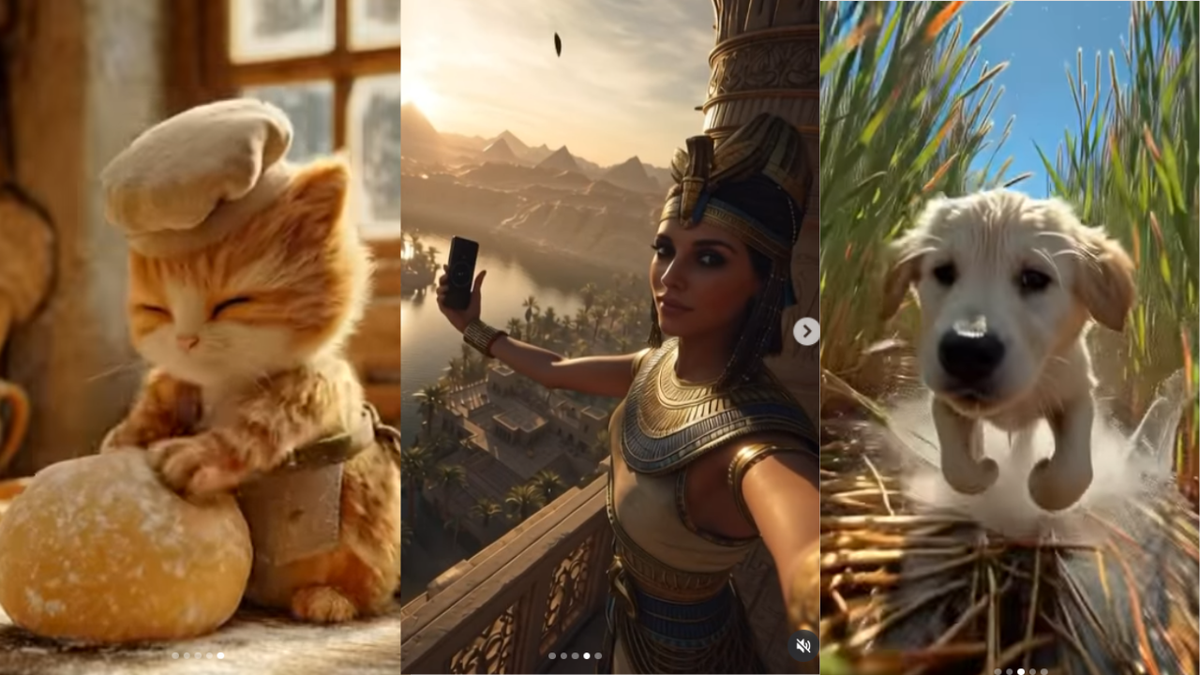
Meta has recently launched the AI short video feature called “Vides” quietly, creating a stream of information dedicated to risk and generation of AI short video in its Meta AI application and website. It’s a replica of TikTok or Instagram Reels, but all of it is the “digital stream line” created by AI. Meta CEO Mark Zuckerberg, at Instagram, announced this function by re-emerging several AI-generated videos as a demonstration: velvet jumping between pixels, noodle cat, ancient Egyptian women filming themselves on the balcony. According to Meta, users can view in the flow of information the AI videos generated by creators and other users, and the system algorithm will gradually transfer individualized content.
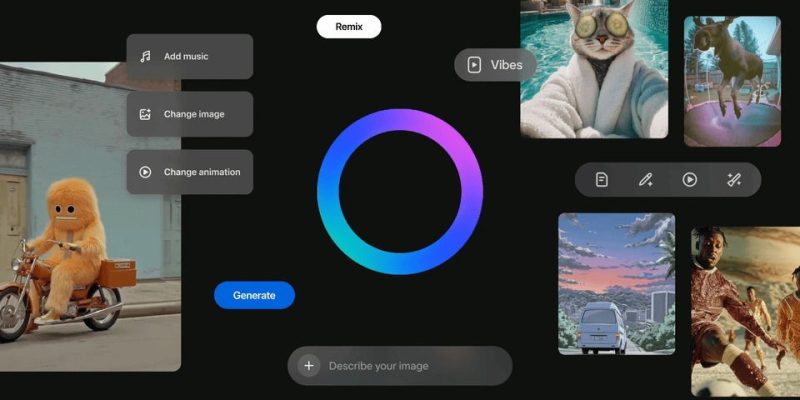
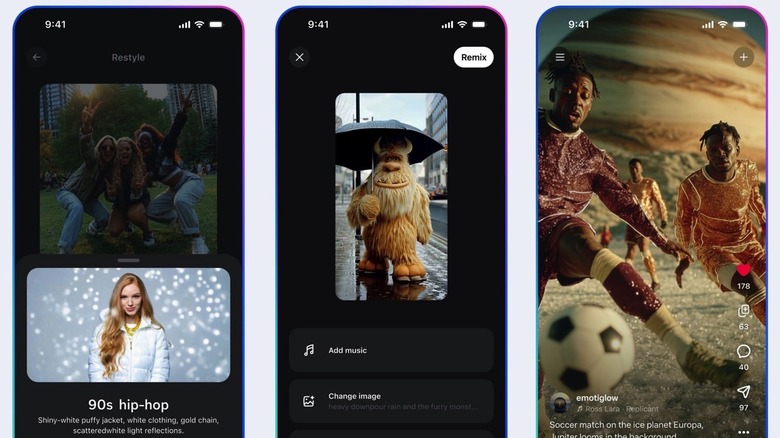
Users can choose to create videos from zero or to collide with existing content, add visual effects, background music and adjust styles before posting, and the finished product can be published directly to Vibes dynamics, private mail-sharing, or synchronized with Stories and Reels in Instagram and Facebook. The Chief AI Officer of Meta, Alexandr Wang, revealed that the initial version had worked with AI image generators such as Midjourney, Black Forest Labs, while continuing the self-study AI model development.
This triggered large-scale user vomiting. Zuckerberger’s hot comments include, “No one wants this, man.” “No one’s gonna give it to me on their own platform.” More frankly, “I’m asking on behalf of everyone: What is this?” It is worth mentioning that Vibes has a delicate timing on the line — when platforms like YouTube are doing their best to fix the proliferation of AI content, Meta is the opposite. Even more ironically, this year the company has just stressed the need to clean up Facebook’s non-original content and to suggest that creators focus on “real narratives” rather than worthless short videos.
Under pressure from rivals such as OpenAI, Anthropic and Google DeepMind, Meta has recently reorganised its AI business: the “Meta Ultra-Intelligence Laboratory” was established in June, followed by four major teams, based on models, research, product integration and infrastructure, to restructure the AI sector. The launch of Vibes was another radical attempt to catch up with the wave.