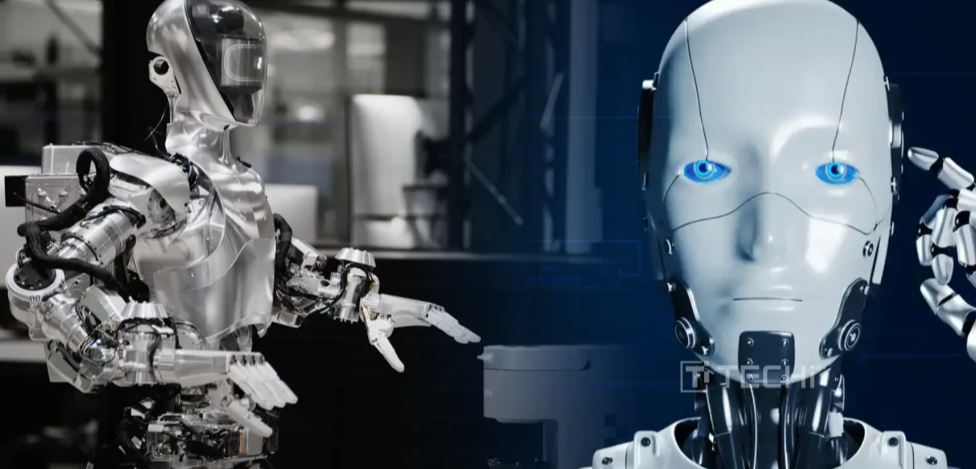
According to Bloomberg, Ying Weida and Samsung are planning to wage a heavy cash deposit on Skild AI, a new and aggressive company, to compete fiercely in the area of consumer-grade robots. These two giants, in the form of the acquisition of a few shares, have been powerful in shaping the future of the smart machine.
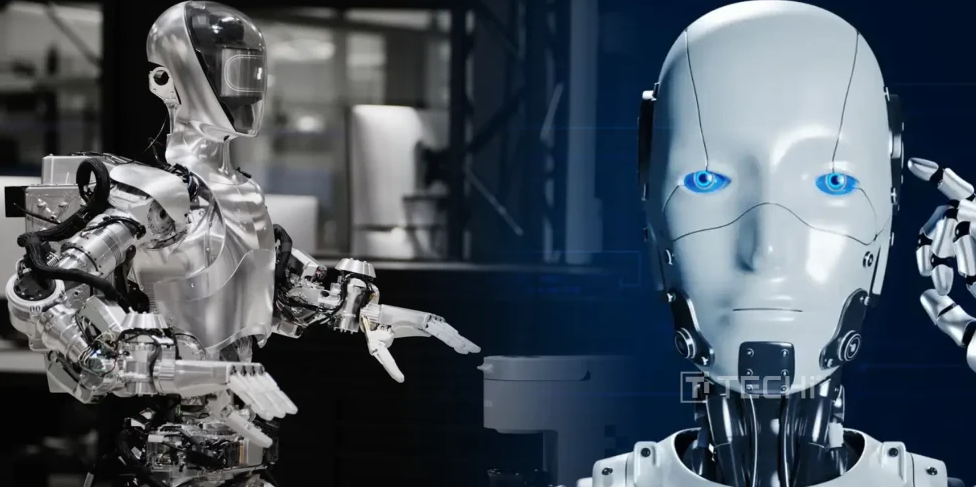
Skild AI is an American start-up technology company that focuses on developing the “smart brain” of a universal robot, building on ChatGPT’s interoperability in language processing, aimed at adapting robots to a variety of tasks and environments. Support for robotics in deployment missions, in areas such as consumer-grade robots, industrial automation and household services. According to Bloomberg, the “robots brain” of Skild AI has the potential for flexibility and efficiency, which could significantly increase the competitive pattern of the consumer robot industry.
It is reported that Samsung will spend $10 million to support Skyld in the development of robotic software, while an additional $25 million is invested in the development of “physical AI” technology for smart robots and autopilots.
This investment is part of the Skyld AI B-round finance chain, valued at $4.5 billion, which is financed by the Soft Bank Group of Japan with $100 million. Samsung is not only a matter of investment: its internal strategy is to keep a close eye on Skyld ‘ s technological and talent movements without a full commitment. It also helped Samsung catch up with Korean enterprises that have invested in Skild, such as LG, Hanhua and future assets.
Young Weida seeks to create “smart” as a future core profit point by accelerating robotic autonomous decision-making by providing semiconductor, AI software and tools. Although Samsung acknowledged that part of Skild ‘ s technology had not yet reached the top of the industry, its potential for development was well received.
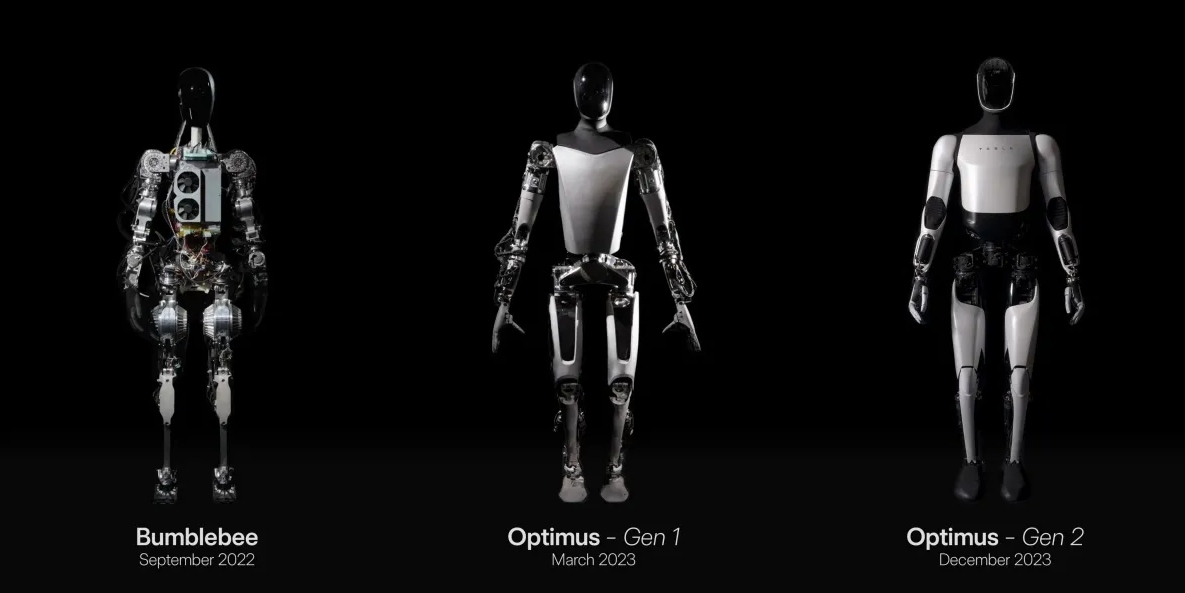
The robotics industry is warming at a fast pace, with huge giants like Apple, Meta, Amazon, Google, Tesla, and so on. Among them, the Tesla robot Optimus has been developed for a long time.
Samsung has also recently invested Physical Inteligence, a start-up company focused on robotic algorithms, with an estimated $400 million in after-valued at $2.4 billion. The robotic map of Ying Weida covers companies like Figure AI, Serve Robotics. Tristar’s robotic ambition extends beyond ground-cleaning robots to human-shaped robots and smart home-based devices. In the second half of this year, it will work with Google to launch a football-sized Ballie robot with a wall projection.
As the largest shareholder of the human robot developer Rainbow Robotics, Samsung sees the enterprise as a core pillar of robotic strategy. With the continued increase in capital crocodiles, the intellectual hegemonic struggle has escalated from a fictional to a mandatory business.