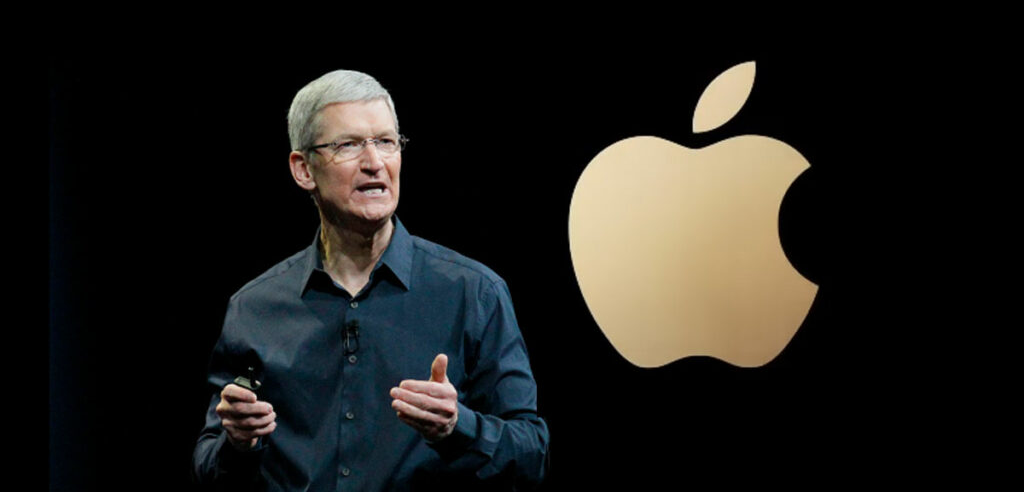
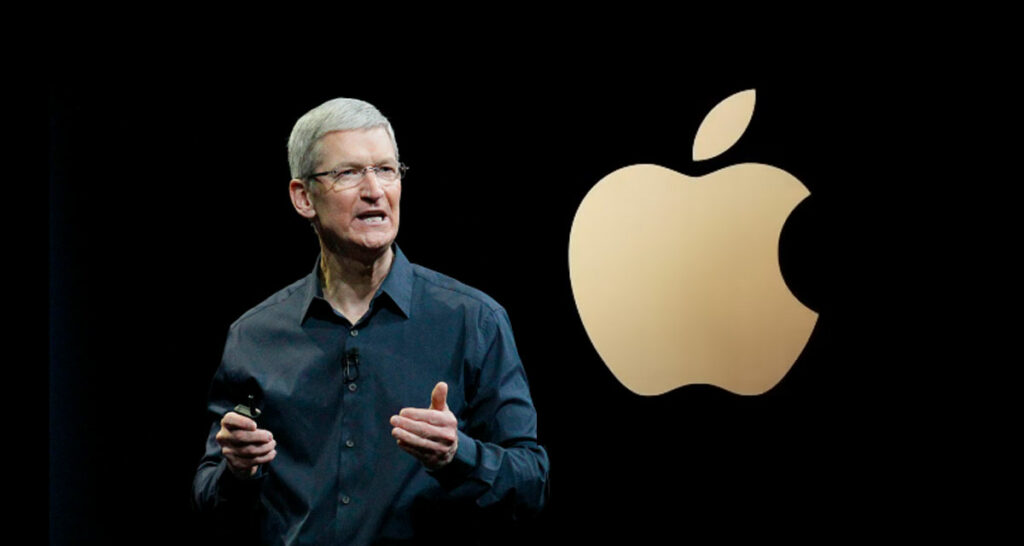
After the third quarter of Apple (Natural Year Q2) generated a 10-per-cent increase in the same year, analysts focused their attention at the conference, without a doubt, on how well the technology giant was structured and invested in artificial intelligence. Although the press conference was not an occasion for major acquisitions or strategic launches, the CEO Tim Cook’s speech on Thursday sent a clear signal — Apple plus a bet on AI.
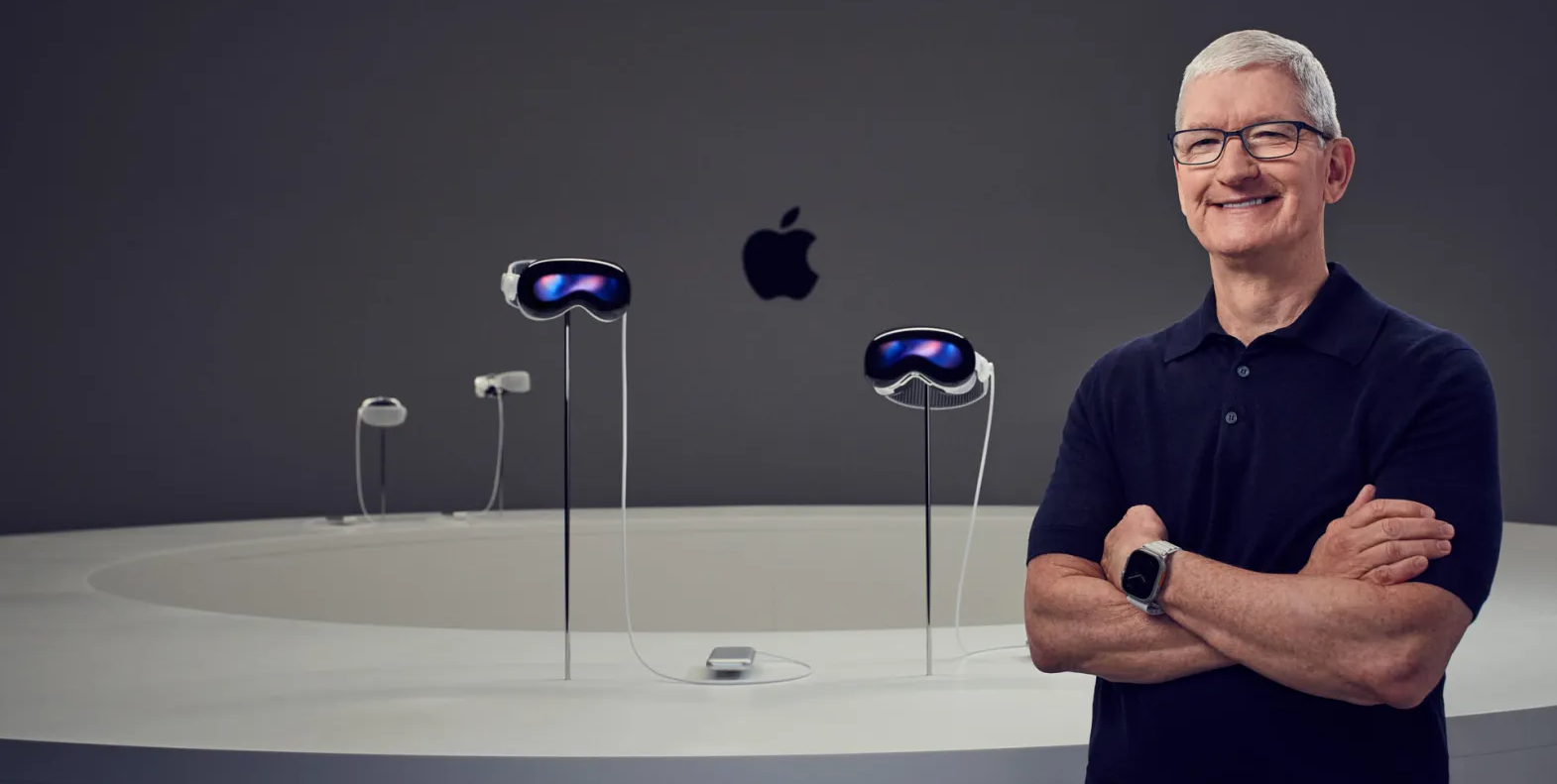
Cook made it clear that apples would “notably” increase company investment in AI technology. “We have done so in the June quarter, and we will continue to do so in the September quarter.” He stressed that AI was “one of the most transformative technologies in our life, which would profoundly affect all equipment”.
Cook revealed that apples were open to M & As and targeted the ACAI development blueprint. “We are open to companies of any size, and we will not be constrained by their size.” He revealed that Apple had so far acquired “about seven companies” this year, although not all focused on the AI field. This is a continuation of Apple’s consistent “acquisition-integration” strategy.
Cook also confirmed that apples were undergoing internal resource restructuring. “We’re reassigning a significant number of employees to the AI functionality developer within the company. We have always been a good team, and we’re doing our best.”
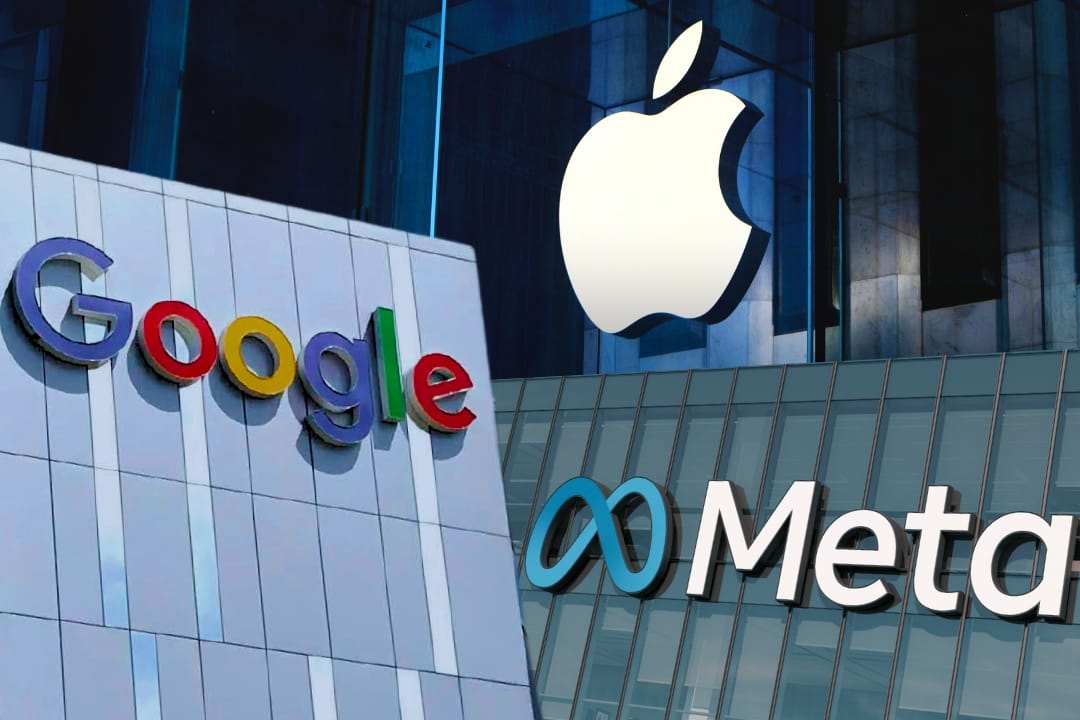
Despite Cook ‘ s emphasis on increased investment, the scale of capital expenditure on apples is very different from that of Silicon Valley ‘ s counterparts, such as Google, Meta and Microsoft, who are involved in the AI arms race.
Apple ‘ s June quarter (capital expenditure) was $3.46 billion (up from $2.15 billion in the same period last year, the highest since December 2022). Annualization at this quarterly level is about $14 billion. By contrast, Google last week projected $85 billion for the 2025 fiscal year of Capex; Meta projected $72 billion for the year of Capex; and Microsoft’s $30 billion for the quarter.
The Chief Finance Officer of Apple, Kevin Parek, explained the reasons behind the difference. Google, Microsoft, which requires a large investment in infrastructure, does not involve apples. Apples use a “mixed model” for capital investment, obtaining the required systems through partners and recording them as operating costs rather than all of them in Capex.
Kavan Parek indicated that one of the important drivers of Capex ‘ s growth was to invest in servers using apple-self-study chips, rather than purchasing commercial chips from companies such as Inverda. “It can be said that a significant part of the growth that you see now is indeed driven by some of our AI-related investments.”
Cook has once again downplayed the view that the unknown AI equipment could subvert iPhone’s dominance. Even in the face of the news that Johnny Ive had a $6.5 billion partnership with OpenAI, former Apple-designed Soul, Cook was convinced that “the future AI equipment is likely to be complementary, not a substitute. This does not mean that we don’t think about anything else, but the iPhone’s position is hard to shake.”
Cook made clear to investors and analysts that Apple owns and is implementing its AI strategy: “From the AI point of view, our focus is on deploying a highly personalized, private and seamlessly integrated AI function throughout the platform.”
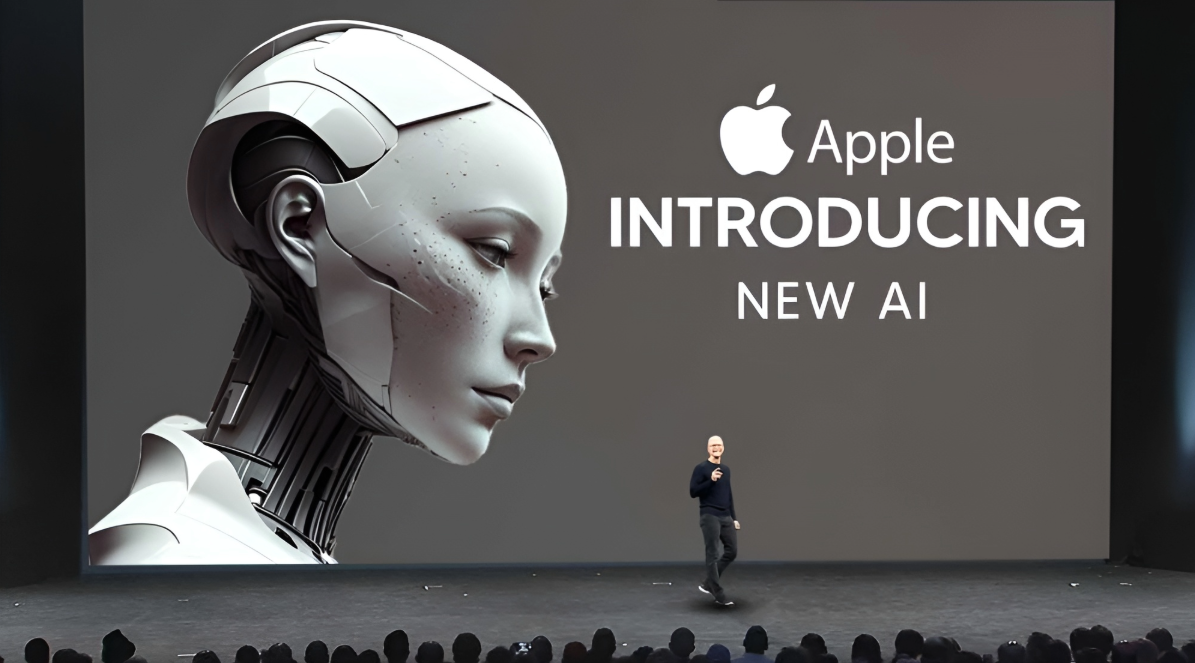
When asked if they thought the core AI technology developed by companies like Anthropic and OpenAI – – When the large-language model might become a “large commodity” in the future, Cook refused to answer, stating that “some of the current corporate strategy remains confidential”. This leaves behind the apple’s bottom AI technology road map.
Cook ‘ s series of statements indicates that apples are accelerating the AI strategy in a manner compatible with their genes and that the central objective remains to enhance the competitiveness of their hardware ecology (especially iPhone), rather than to fight hard against their opponents in an infrastructure arms race. Its differential path of “privacy + personalization + deep integration” will be the greatest point of view for the future, if it leads once again in the age of Ai, when the grooves are driven by the deer.