The former semi-conductor, Intel, is accelerating a massive structural change for the future. According to company documents submitted to the state government, Intel has decided to reduce a total of over 5,000 employees in four states in the United States (California, Oregon, Arizona and Texas).
In the age of artificial intelligence, it was the beginning of a painful self-reform that Chief Executive Officer Intel Chen Liwu proposed to “return to a culture of engineering.” However, it may not be easy for a giant such as Intel to abandon the “swollen” and “late” that he built in his glorious era and to return to the front lines of battle.
To achieve efficiency gains, it is necessary to experience the pain of lay-offs, but it is clear that the Intel round of “strikes” is well ahead of expectations. Updates to the Worker Adjustment and Retraining Circular (WARN) document, submitted in accordance with United States State labour laws, show that the harsh reality facing them is emerging.
In Oregon, the Hillsboro and Araha Parks, known as Intel ‘ s heart, were reversed by the initial announcement of a reduction of approximately 500 people, which was eventually set at a massive reduction of 2,392. This corresponds to more than 10 per cent of the total number of employees in Intel Oregon. The staff was reduced to a wide range of over 300 “module development engineers” responsible for the next generation of chips, as well as data scientists, software engineers, etc.
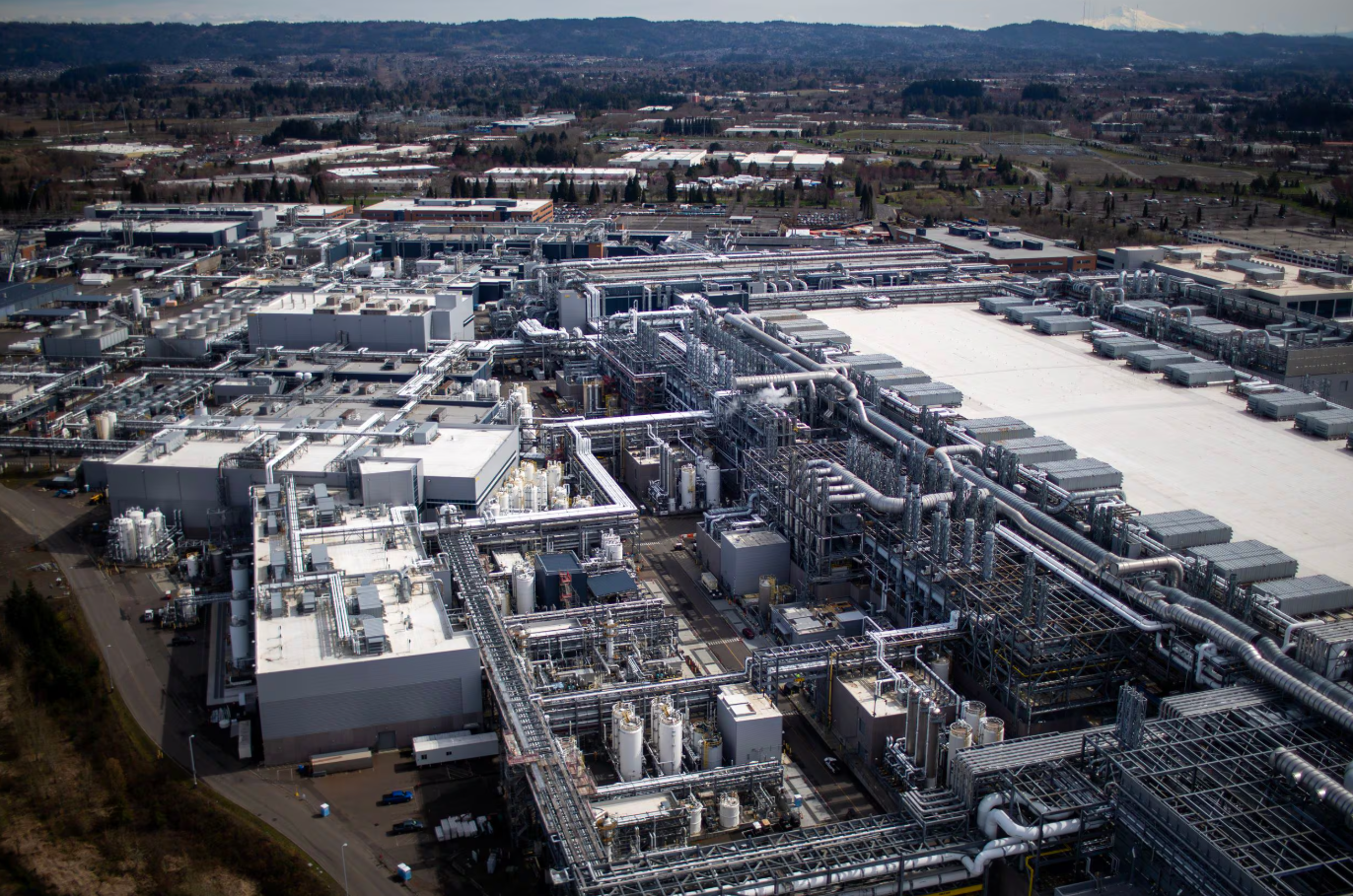
The number of staff affected at the positions of Santa Clara and Forsem, California, where Intel headquarters is located, more than doubled from the initial 855 to 1935. At the manufacturing base in Chandler, Arizona, the original plan for the reduction of 170 personnel expanded to 696 persons, a fourfold increase. There were 110 layoffs in Austin Park, Texas.
In addition to these developments in the United States proper, Israel has also reported that there will be several hundred staff reductions, which indicates that the reorganization was carried out with determination on a global scale. The affected staff will receive severance pay and benefits for nine weeks and a notice period of four to eight weeks.
The context of this massive reduction was a strong sense of crisis on the part of Intel management. Chen Li Mu, who took office as CEO in March 2025, harshly judged the current state of the company in his internal information:“We are no longer the top 10 in the semiconductor industry”, “too slow, too complicated and too rigid”.
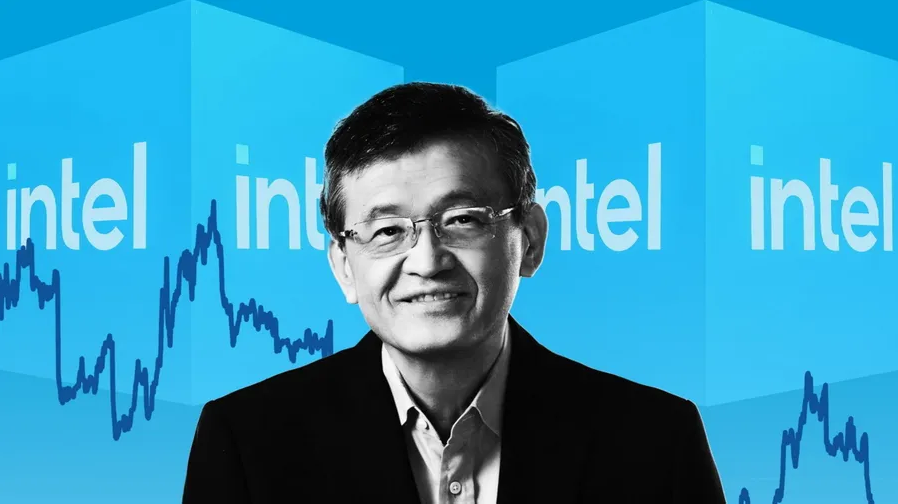
Chen’s goal is to reduce the cost of operations by $500 million this year and $1 billion next year, transforming the company into “a leaner, faster and more efficient company”. At the heart of this is his repeated emphasis on “repeat engineering-led culture”. The aim is to influence client demand and enhance implementation by eliminating unnecessary levels of management and bureaucracy and creating an organization that allows engineers to exercise their real capabilities.
This reduction is seen as an inevitable “surgery” to achieve this vision.I don’t know.In his April letter, Chen Li Mu acknowledged that “these important changes will inevitably lead to a reduction in the number of our staff”, demonstrating his firm will to reform.
It can be said that the current dilemma faced by Intel may be rooted in its own successful past. For a long time, a dominant Intel was established in the PC processor market. Has the status quo been set in the midst of outstanding achievements that have led to the collapse of the market?
In stark contrast, the Ai chip has swept over the market in Weida. On the eve of Intel’s announcement of lay-offs, the market value of Ingweida as a semiconductor was for the first time over $4 trillion. They accurately grasped the movement of the main computer battlefield from PC to data centres and to AI, and used the new GPU weapon to take over the hegemony of the new era.
On the other hand, Intel had for some time given priority to stock buy-backs and shareholder dividends over investment in technological innovation. As a result, the Intel technology lags behind in the manufacturing process as competitors advance at a rapid pace towards a more sophisticated and efficient chip design. Its high-profile substitute (semiconductor commissioning) business is not yet a changer of the market ‘ s rules of the game.
Intel is facing more than just technical backwardness. Although the rules of the times have changed, they remain entrenched in old strategies and present a “strategic” failure.
Behind the ambitious vision of change outlined by management, there was a serious wave of uncertainty among staff at the grass-roots level. According to the British media, The Register, Intel’s working staff said frankly: “Everyone is worried about their next turn, and there’s a dark atmosphere in the factory.”
It is alleged that this reduction in Intel is concentrated in back-office functions such as personnel, marketing and so on, and that hardware engineers are currently protected. This reflects the “engineering” approach advocated by Chen Li Wu. However, such a large-scale downsizing would inevitably have an incalculable impact on the morale of the Organization as a whole.
Moreover, the movement of Intel is not unrelated to the general trend of lay-offs that surround the entire technology industry. Science and technology giants such as Microsoft and Google have also been retrenching in recent years, in the context of, of course, the increased efficiency of industry-wide operations brought about by AI progress. Dario Amodei, Chief Executive Officer of the initial AI company Anthropic, warned that “AI can replace half of the entry-level white collar positions within five years”.
Intel ‘ s layoffs are both an enterprise strategy for survival in the competition of the AI era and can be seen as an event that symbolizes the dawn of an era in which AI itself is about to begin to replace employment.
There is no doubt that Intel is on a thorny path. The downsizing of more than 5,000 staff may improve the cost structure in the short term. However, it will take a long time and great effort to regain trust and technological advantages in lost markets and to transform the organizational culture itself. In addition, the future of the Chips and Science Bill, which was passed to support the semiconductor industry in the United States, may also be uncertain as a result of government movements and the external environment may not be safe.
Intel plans to hold a second-quarter investor-oriented presentation on 24 July. The market was on hold, and it was to be hoped that a concrete road map for reform and a new strategy for overcoming the dilemma would be heard from Chen Zhang. Will the kings of the past be able to return to the throne or will they be on a slow decline? Intel is ushering in a critical situation that determines its fate.